When I first watched a professional Mobile Legends match on a 10‑inch screen, I assumed it was just another casual pastime. Six years later, that same game is drawing crowds of 50,000 viewers on streaming platforms, and a single match can earn the winner over £10,000. The shift is clear: mobile titles are moving from hobby to high‑stakes sport.
Hardware That Keeps Pace
Early mobile esports struggled with limited processing power. Today, flagship phones like the Samsung Galaxy S24 Ultra and the iPhone 16 Pro Max feature 8‑core CPUs and 12‑GB RAM, allowing frame rates above 120 fps in competitive titles. This performance leap means players no longer need external controllers; the on‑screen touch interface feels as responsive as a mechanical keyboard for most games.
However, the price point remains a hurdle. A top‑tier device costs roughly £1,200, which can be prohibitive for grassroots teams. Those teams often rely on mid‑range phones, which can experience latency spikes during fast‑paced matches, giving an edge to better‑equipped competitors.
Infrastructure and Streaming Evolution
Earlier tournaments were broadcast on local servers, limiting global viewership. The introduction of low‑latency 5G networks has reduced streaming delays to under 200 ms, allowing real‑time commentary and instant replays. Viewers can now watch a match from the Philippines and see the action as it happens, which has broadened the fan base dramatically.
Yet, not all regions enjoy 5G coverage. In parts of Africa and rural China, lag remains a problem, keeping these audiences from fully engaging with live competitions.
Financial Stakes and Sponsorships
Prize pools have ballooned. The 2024 Mobile Legends: Bang Bang World Championship offered a total purse of $1.2 million, with the champion taking home $200,000. Brands like Samsung, Red Bull, and Tencent are now investing in team sponsorships, providing gear, travel, and training facilities.
Still, the revenue model is uneven. While top teams receive lucrative deals, many smaller outfits rely on ad revenue from streams, which can fluctuate wildly with viewership dips.
Community and Cultural Impact
Mobile esports has democratized competition. Players no longer need a high‑end PC or console; a smartphone in hand is enough to join a global league. This inclusivity has led to a surge in grassroots tournaments, with over 3,000 amateur events recorded worldwide in 2023 alone.
On the flip side, the rapid growth has spurred concerns over player burnout. Teams now train up to 12 hours a day, and the line between hobby and profession blurs, raising questions about long‑term health and career sustainability.
Connecting Mobile Esports to the Broader Gaming Scene
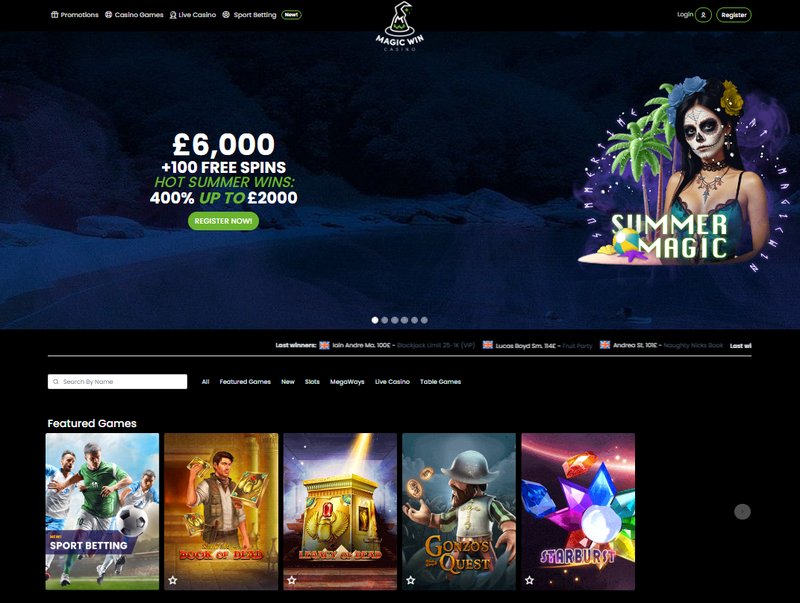
As mobile titles continue to push the envelope, the line between casual play and professional competition keeps eroding. This trend mirrors the rise of streaming platforms that host both indie and AAA games, offering a single space where anyone can watch, learn, and participate. For those looking to explore how mobile esports fits into the wider gaming ecosystem, you might find it useful to visit site.
What This Means for the Future
The mobile esports boom signals a shift toward accessibility and immediacy. With hardware improvements, faster networks, and growing financial incentives, the barrier to entry is lower than ever. Players who once played for fun are now competing for real money, and the audience is expanding beyond traditional gaming circles.
Still, the industry must address the disparity in equipment costs and regional connectivity. Without solutions, the competitive field risks becoming a two‑tier system: those with premium gear and 5G access versus those who cannot afford either.
Bottom Line
Mobile esports is redefining competition by making high‑level play reachable to a wider audience. The blend of cutting‑edge hardware, global streaming, and significant prize money is reshaping how we think about gaming. While challenges remain—especially around equity and player welfare—the momentum is undeniable. If you’re curious about where this movement is heading, keep an eye on the next generation of tournaments and the evolving infrastructure that supports them.
Frequently Asked Questions
How did mobile esports grow to 50,000 viewers?
Advances in smartphone hardware and 5G reduced latency, while streaming platforms increased accessibility, drawing larger audiences.
What makes mobile esports financially viable?
Large prize pools, sponsorships, and ad revenue from popular titles create sustainable income for players and teams.
Do mobile games have the same competitive depth as PC titles?
Modern mobile games feature complex mechanics, team coordination, and strategy, rivaling PC esports in skill and depth.
How can I start watching or playing mobile esports?
Join popular streaming services, follow professional teams on social media, and practice on the same titles to build skills.
Leave a Reply